Staff Direct – Reinforcement Steel Worker Roles in Birmingham – Aug 2025
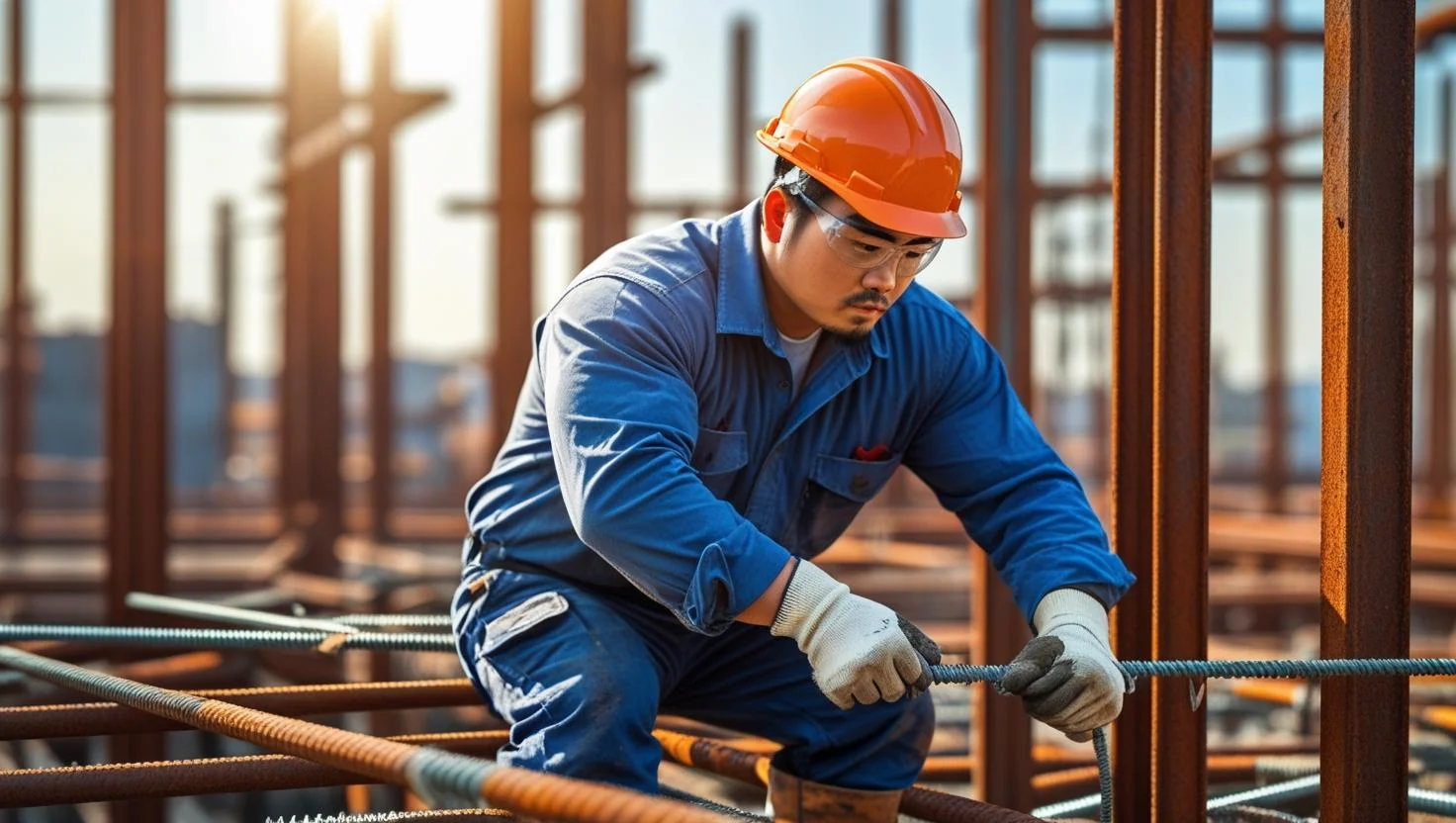
Job Description: Steel Worker Roles in Birmingham
Main Responsibilities:
1. Fabricate, assemble, and install steel structures, such as frameworks, girders, and columns
2. Cut, bend, and shape steel using various tools and machinery
3. Read and interpret blueprints, sketches, and CAD drawings
4. Ensure adherence to safety regulations and quality standards
5. Collaborate with other team members, including welders, supervisors, and engineers
6. Perform routine maintenance on tools and equipment
7. Load and unload materials, and maintain a clean and organized work area
Required Skills & Qualifications:
1. High school diploma or equivalent
2. Knowledge of steel fabrication techniques and processes
3. Proficiency in using hand and power tools, such as grinders, shears, and drills
4. Ability to read and interpret technical drawings and specifications
5. Excellent problem-solving and communication skills
6. Physical stamina and the ability to lift heavy materials
7. Willingness to work in various weather conditions and at heights
8. Valid driver's license and reliable transportation
Experience:
– Entry-level positions may require 0-2 years of experience
– Advanced positions may require 3-5 years of relevant experience in steel fabrication or construction
Various Steel Worker Roles in Birmingham:
1. Structural Steel Fabricator
2. Reinforcing Iron and Rebar Worker
3. Steel Fitter
4. Ironworker
5. Welder
6. Boilermaker
7. Metal Building Assembler
Pay Rates of Steel Worker Roles in Birmingham:
– Entry-level Steel Workers: £13 to £15 per hour
– Experienced Steel Workers: £16 to £18 per hour
– Highly Skilled Steel Workers (e.g., Welders, Boilermakers): £18 to £25 per hour
– Supervisors and Managers: £25 to £35 per hour
Please note that pay rates may vary depending on the specific company, experience level, and the complexity of the projects involved.
Introduction
Birmingham, Alabama has a long and storied history as a center of steel production in the United States. From the late 19th century through much of the 20th century, Birmingham was known as the "Pittsburgh of the South" due to its extensive iron and steel industry. The city's economy and identity were intimately tied to the production of steel, which employed tens of thousands of workers in various roles. We will explore the different jobs involved in steel production in Birmingham and the vital contributions steel workers made to the city's growth and prosperity.
Iron Ore Mining and Transportation
The steel production process in Birmingham began with the mining of iron ore, the key raw material needed to make steel. Rich iron ore deposits were discovered in the region surrounding Birmingham, particularly in Red Mountain which became one of the main sources of ore for the city's furnaces. Miners worked to extract the ore from the earth using picks, shovels, and dynamite.
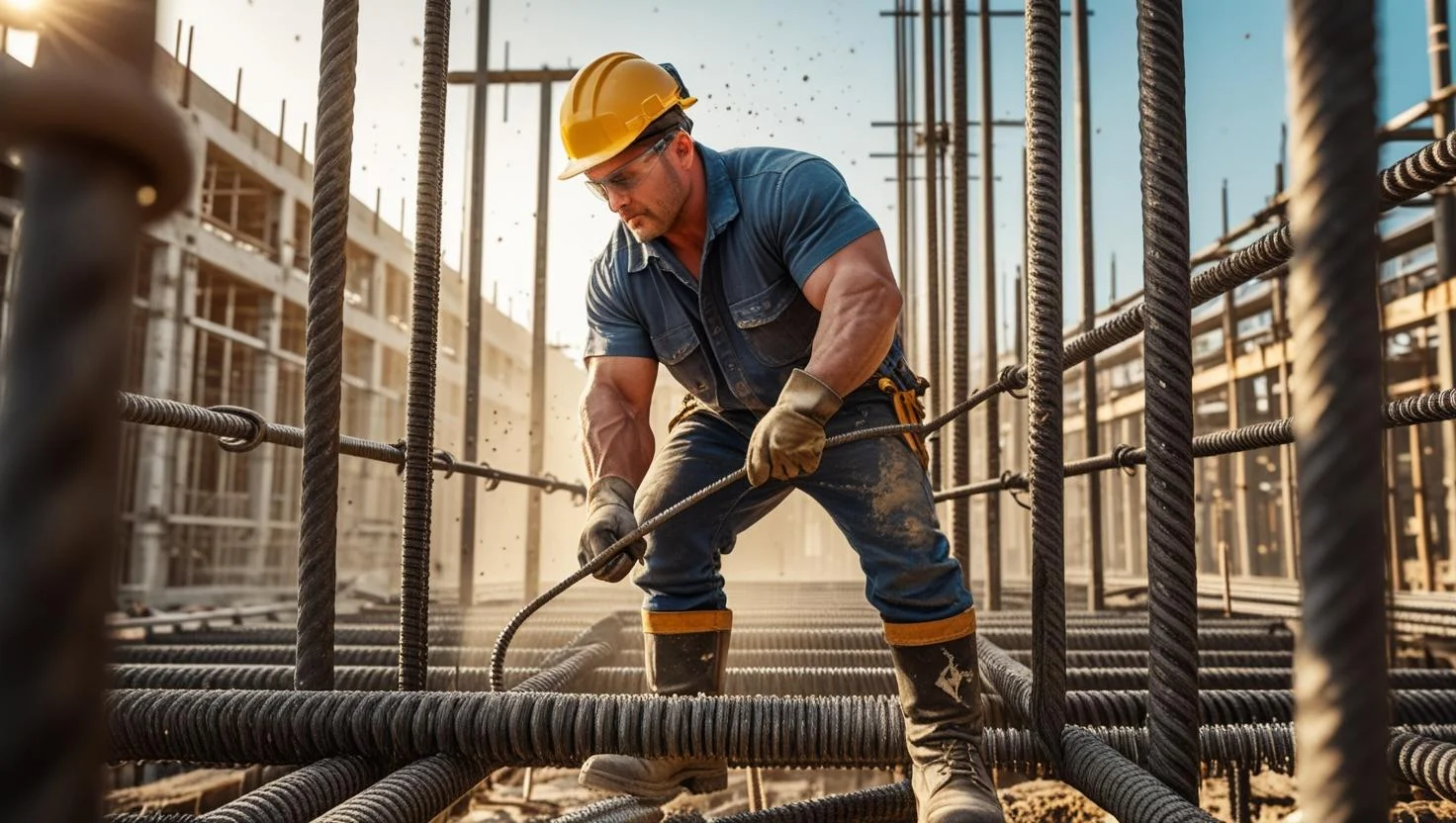
Once mined, the iron ore needed to be transported to the steel mills for processing. Railroad workers played a critical role in moving the heavy loads of ore. Train crews, including engineers, brakemen, and conductors, operated the rail lines that connected the mines to the mills. The Alabama Great Southern Railroad was one of the main rail networks serving the Birmingham steel industry. The work was challenging, with long hours and dangerous conditions as workers handled the coupling of ore cars and maneuvered heavy trains.
Coke Production
Another essential ingredient in steel production is coke, a purified form of coal used as fuel in blast furnaces. The Pratt Coal and Coke Company, founded in 1878, operated coke ovens in the Birmingham area to supply the steel mills. Workers at the coke plants had the job of loading coal into hot ovens, a difficult and dirty process. The coal was baked at high temperatures of around 1,800°F for 48-72 hours to remove impurities and convert it into coke. During this process, the coal would give off gas and tar vapors.
Once the coke finished baking, the ovens were opened and workers had to quickly rake out the hot coke and quench it with water, creating large plumes of steam. Coke production was a round-the-clock job with workers assigned to different shifts to keep the ovens operating continuously. The work environment was hazardous, with exposure to extreme heat, dust, and toxic fumes. Despite the challenges, coke workers played an indispensable role in supplying fuel for Birmingham's hungry blast furnaces.
Blast Furnace Operations
At the heart of the steel mills were the massive blast furnaces used to smelt iron from the raw materials. The Sloss Furnaces, which operated in Birmingham from 1882 to 1971, were among the largest blast furnace operations in the world at their peak. Workers known as "blowers" or "stove tenders" were responsible for monitoring and regulating the furnaces.
Feeding the blast furnaces was an immense effort that required coordination between several types of workers. "Fillers" dumped loads of coke, iron ore, and limestone into the top of the furnace. "Cinder snappers" worked at the base, opening valves to allow molten slag to flow out. "Hot blast men" regulated the flow of superheated air that was blasted into the furnace to fuel the smelting reaction. The work around the furnaces was hot, noisy and relentless. Blowers had to be constantly vigilant to maintain the right balance of materials and temperature in the furnace. Any mistakes could lead to production delays or dangerous conditions.
After smelting in the blast furnace, the molten iron flowed into a channel called a "runner" and was directed into torpedo-shaped rail cars known as "hot metal cars". Positioning these cars required careful coordination between the furnace men and the locomotive crew. Once filled, the hot metal cars had to be quickly transported to the steel mill for the next stage of production. Working with molten iron was perilous and workers faced risks of explosions, burns, and other injuries.
Steel Production and Processing
At the steel mill, the molten iron from the blast furnaces was converted into steel through a process called the Bessemer method. "Blowers" operated the Bessemer converters, large pear-shaped vessels that would be filled with the molten iron. The blowers injected air into the converter, igniting a reaction that would burn off excess carbon and impurities in the iron.
The result was molten steel that could then be poured out of the converter for additional processing. "Stopper makers" and "ladle liners" prepared clay plugs and linings for the vessels that received the molten steel. "Steel pourers" carefully opened valves at the base of the Bessemer converter to let the steel flow into ladles to be transported. The work required a steady hand and perfect timing.
From the ladles, the molten steel would be poured into molds to cool and solidify into ingots. "Ingot strippers" had the job of removing the hardened steel ingots from their molds using cranes and plunging them into soaking pits to be reheated. The ingots then went to the rolling mill, where they passed through a series of rollers, presses and punches to be gradually shaped into finished products like rails, wire, rods, and sheets.
Workers in the rolling mill had to be skilled at operating the complex machinery and maintaining quality control. "Rollers" ran the rolling machines, adjusting the spacing to produce the right shapes and thicknesses. "Shearmen" operated machines to cut the steel to the proper lengths. Throughout the mill, workers had to coordinate their efforts, communicating via whistles and hand signals amidst the constant din of the machinery.
Safety Challenges and Labor Conditions
Work in Birmingham's steel industry was riddled with hazards. Accidents were common, with workers facing risks from heavy machinery, extreme temperatures, and toxic exposure. The air in the plants was filled with smoke, soot, and other pollutants that took a toll on workers' lungs. Many developed respiratory illnesses like pneumonia and tuberculosis.
Despite the dangers, steelworkers often had little choice but to accept the conditions. The jobs were a vital lifeline in a city where industrial work was the backbone of the economy. Unions played an important role in advocating for better working conditions and wages, though progress was often slow and hard-fought. The Amalgamated Association of Iron and Steel Workers was one of the main labor organizations representing Birmingham steelworkers in the early 20th century.
Safety measures and working conditions gradually improved over time with new regulations and technologies. However, the risks remained high and accidents continued to claim lives and inflict injuries even as the industry modernized. The physical and mental toughness required of steel workers was a point of pride but also a reflection of the hardships they endured.
Contributions to Birmingham's Growth
The steel workers of Birmingham played an integral role in the city's development into a major industrial center. The steel industry was the driving force behind Birmingham's economy, providing jobs for thousands of workers and supporting numerous ancillary businesses. Steel production helped spur investments in infrastructure, with the expansion of railroads and the construction of factories, office buildings, and neighborhoods to house workers and their families.
Birmingham's steel found its way across the United States and beyond, being used in the construction of skyscrapers, bridges, automobiles, and many other applications. During both World Wars, Birmingham's steel mills were critical suppliers for the military, churning out steel for ships, tanks, and armaments. The hard work and grit of Birmingham's steel workers was instrumental in building not just the city but the nation.
Conclusion
The story of steel workers in Birmingham is one of strength, resilience, and sacrifice. From the miners who first extracted the iron ore to the blowers who ran the furnaces to the rollers who shaped the finished steel, each worker played a vital part in the production process. The work was difficult and dangerous, with long hours, extreme conditions, and constant risks of injury or illness. Yet for generations, Birmingham's workers took pride in their skills and their critical role in building the city's prosperity.
While Birmingham's steel industry eventually declined in the face of changing economic conditions and foreign competition, the contributions of its steel workers live on. Their legacy is visible in the towering furnaces that still stand as monuments to the city's industrial past, and in the enduring spirit of hard work and determination that defines Birmingham. The steel workers of Birmingham exemplified the best of American industry and labor, and their story deserves to be remembered and honored.
FAQs – Find Steel Worker Roles in Birmingham with Team Staff Direct
1. What are the primary responsibilities of a steel worker in Birmingham?
A: Steel workers in Birmingham are responsible for various tasks, including cutting, shaping, and assembling steel components using a range of tools and equipment. They may also be involved in the fabrication, installation, and repair of steel structures.
2. What qualifications are required to become a steel worker in Birmingham?
A: Typically, a high school diploma or equivalent is required. Many employers also prefer candidates with vocational training or an apprenticeship in welding, fabrication, or a related field. Certifications, such as those from the American Welding Society (AWS), can be advantageous.
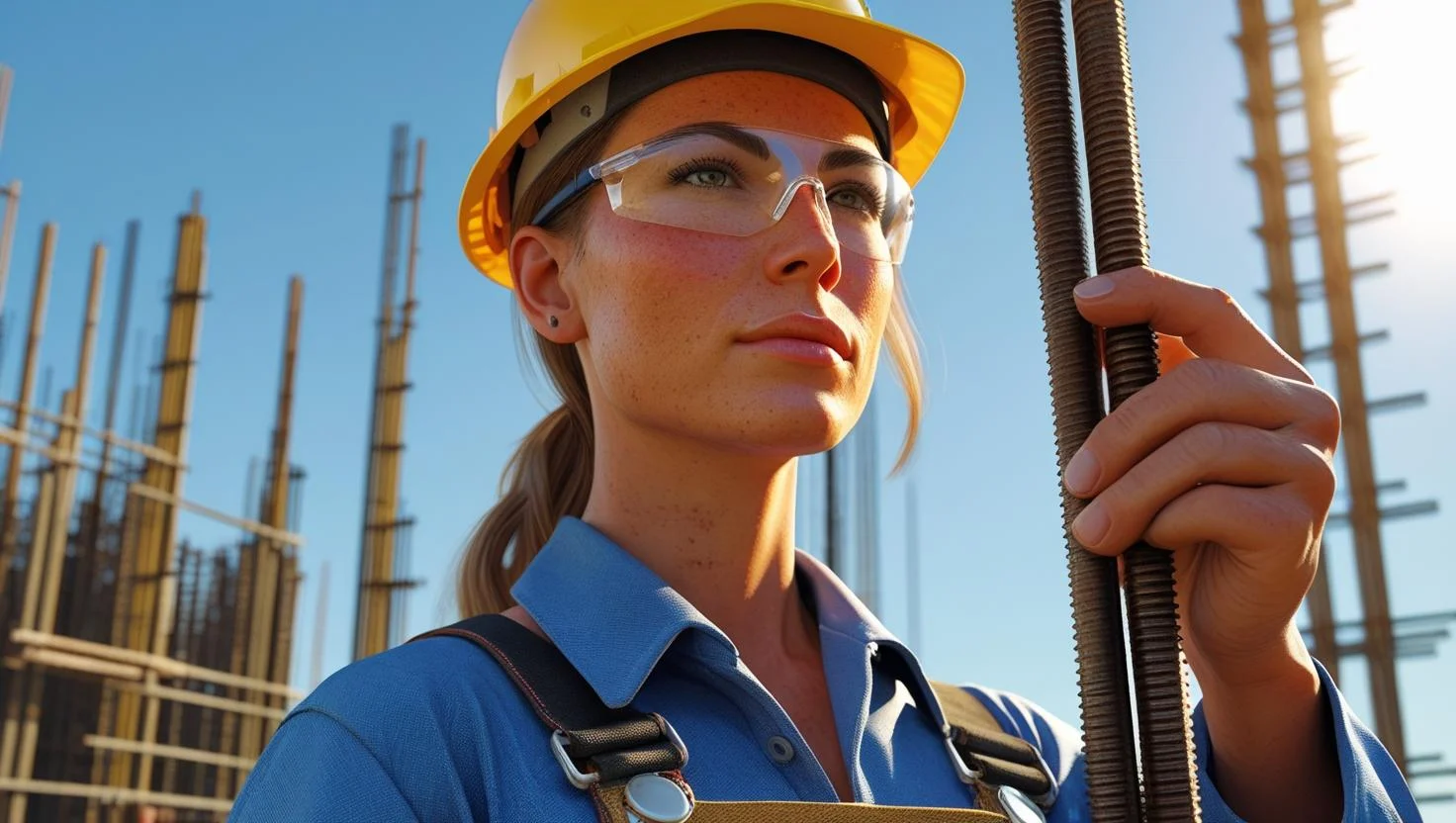
3. What are the working conditions like for steel workers in Birmingham?
A: Steel workers often work in industrial settings, such as factories or construction sites. The work can be physically demanding and may involve exposure to hazardous materials, noise, and extreme temperatures. Safety precautions and personal protective equipment (PPE) are essential.
4. What is the job outlook for steel workers in Birmingham?
A: The demand for skilled steel workers in Birmingham is expected to remain stable, driven by ongoing construction projects and the need for maintenance and repairs in existing structures.
5. What are the opportunities for advancement in a steel worker career in Birmingham?
A: With experience and additional training, steel workers can advance to supervisory roles, such as lead or master welder. Some may also transition into related fields, such as welding inspection or engineering.
WHY CHOOSE OUR TEAM STAFF DIRECT – THE PLACEMENT INDUSTRY? |
CONTACT INFORMATION |
|---|---|
|
|