Temporary Positions: Factory Operative Roles in Cinderford
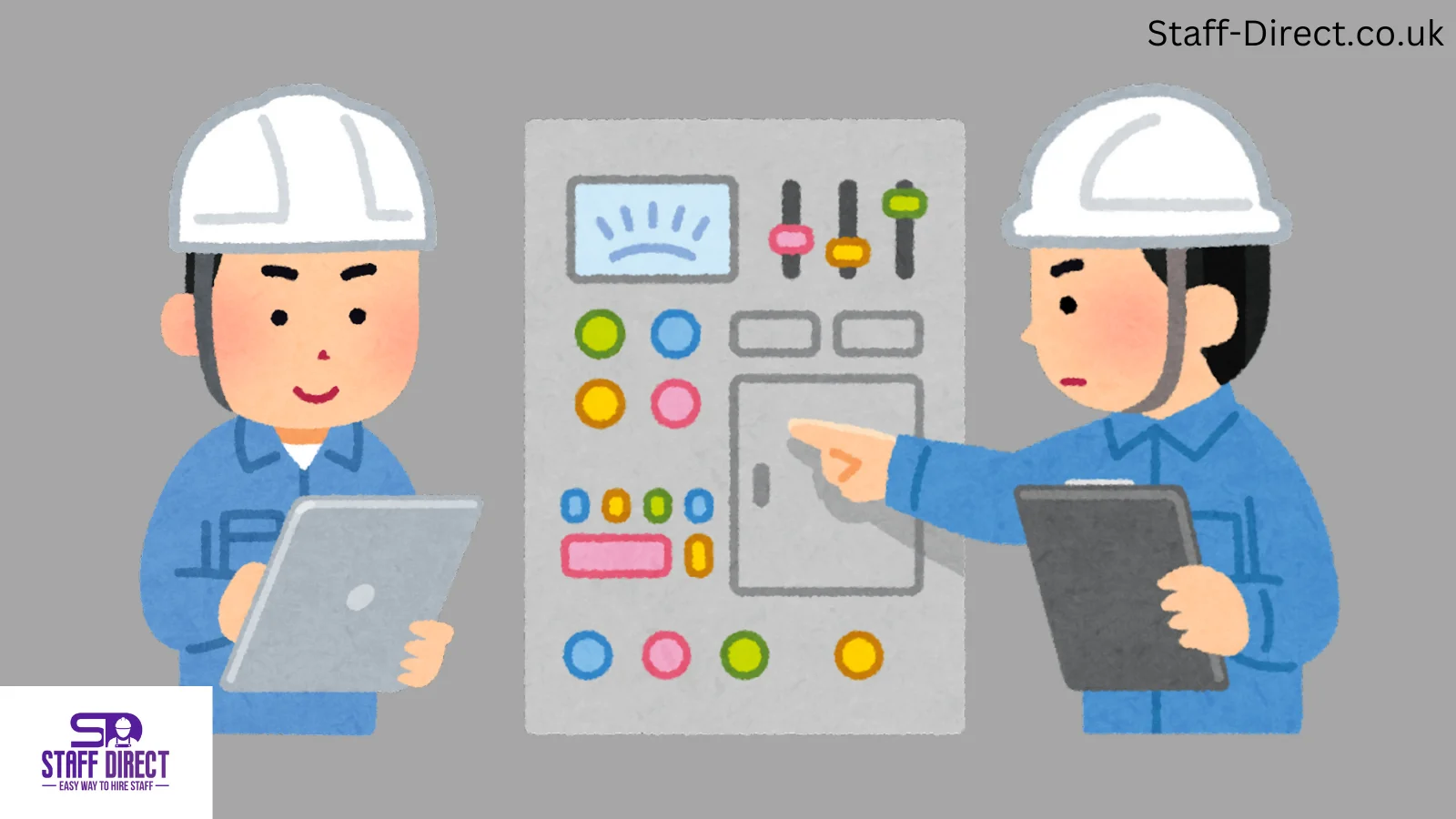
Job Description: Factory Operative Roles in Cinderford
Main Responsibilities:
- Operating machinery and equipment in a production line setting
- Assembling products according to specifications
- Monitoring production processes and reporting any issues
- Maintaining a clean and safe work environment
- Following health and safety guidelines
- Conducting quality checks on finished products
- Packaging and labeling products for shipment
- Assisting with inventory management and stock control
- Participating in team meetings and continuous improvement initiatives
Required Skills & Qualifications:
- Good physical fitness and ability to stand for long periods
- Manual dexterity and hand-eye coordination
- Basic numeracy and literacy skills
- Attention to detail and quality consciousness
- Ability to work in a fast-paced environment
- Team player with good communication skills
- Flexibility to work shifts, including nights and weekends
- GCSEs in Math and English (or equivalent) preferred
- Forklift certification a plus
Experience:
- Previous factory or manufacturing experience preferred but not essential
- Training will be provided for entry-level positions
Various Factory Operative Roles in Cinderford:
- Production Line Operator
- Assembly Worker
- Machine Operator
- Quality Control Inspector
- Packaging Operative
- Warehouse Operative
- Material Handler
- Forklift Driver
Pay Rates for Factory Operative Roles in Cinderford:
- Entry-level positions: £11.50 – £12.00 per hour
- Experienced operatives: £12.50 – £13.00 per hour
- Skilled machine operators: £14.00 – £15.00 per hour
- Team leaders/supervisors: £16.00 – £17.00 per hour
Note: Pay rates may vary depending on the specific employer, shift patterns, and level of experience.
Introduction
Cinderford, a small town nestled in the heart of the Forest of Dean, Gloucestershire, has a rich industrial heritage that continues to shape its economy and workforce. Factory operative roles play a crucial part in the town's manufacturing sector, contributing significantly to local employment and economic growth.
We delve into the various aspects of factory operative roles in Cinderford, exploring the nature of the work, required skills, challenges, and opportunities in this field. We will examine the importance of these positions to the local economy, the evolving landscape of manufacturing in the area, and the potential future prospects for those seeking employment in this sector.
Historical Context of Manufacturing in Cinderford
To understand the current state of factory operative roles in Cinderford, it's essential to first consider the town's industrial past. Cinderford's history is deeply rooted in coal mining and iron production, industries that flourished during the 19th and early 20th centuries. As these traditional industries declined, the town adapted, diversifying its manufacturing base to include a range of sectors.
The transition from heavy industry to more varied manufacturing has shaped the nature of factory work in Cinderford. Today, the town hosts a mix of small to medium-sized enterprises, each contributing to the local economy and providing employment opportunities for residents. This evolution has had a significant impact on the types of factory operative roles available and the skills required to perform them.
Types of Factory Operative Roles in Cinderford
Factory operative roles in Cinderford encompass a wide range of positions across various industries. Some of the most common types of roles include:
- Assembly Line Workers: Responsible for assembling products or components according to specific guidelines and quality standards, often in industries such as electronics, automotive parts, or consumer goods manufacturing.
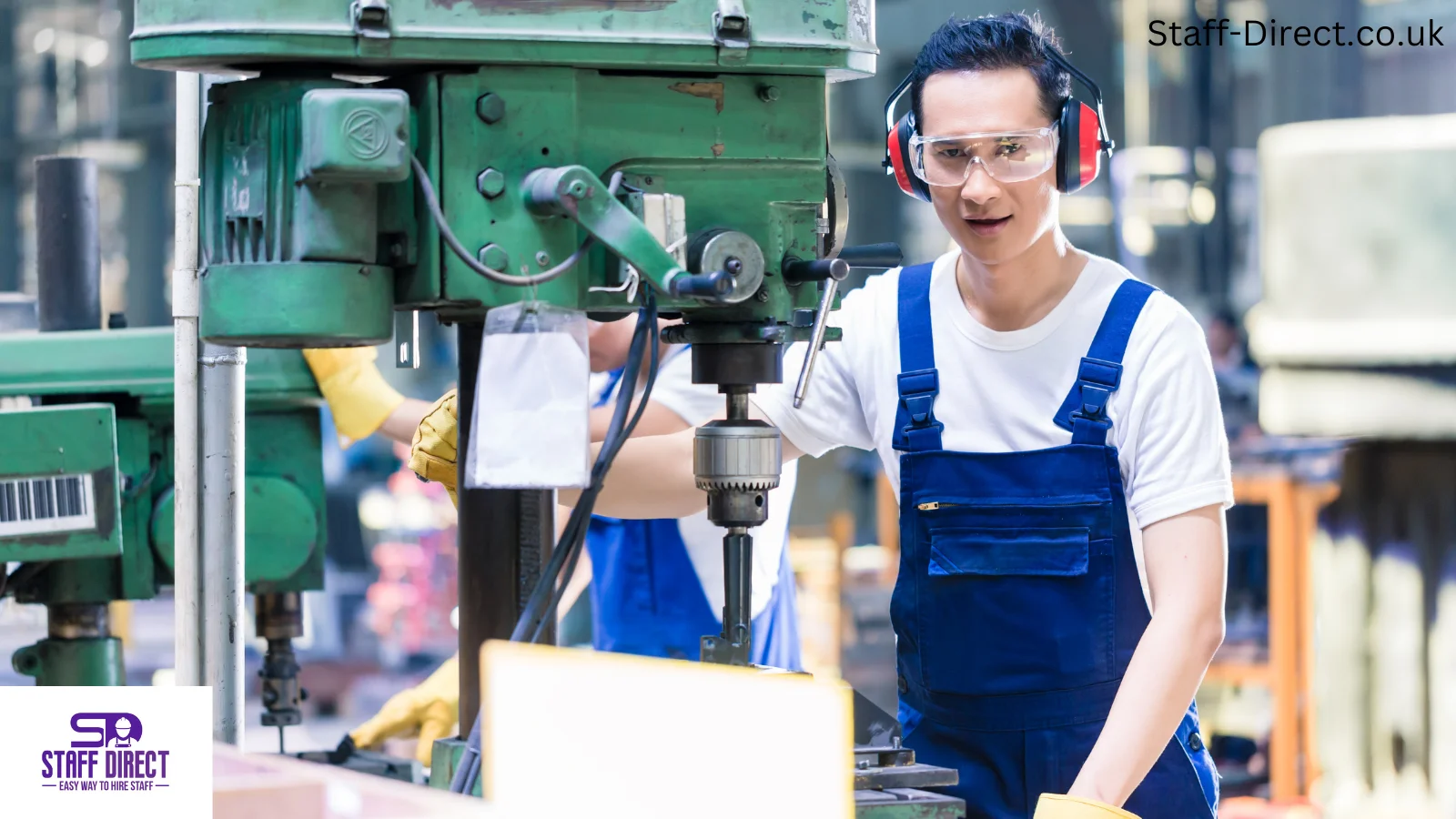
- Machine Operators: Operate and monitor production machinery, ensuring smooth operation and maintaining quality control. They may work with equipment such as CNC machines, injection molding machines, or packaging equipment.
- Quality Control Inspectors: Tasked with checking products for defects and ensuring they meet required specifications and standards, playing a crucial role in maintaining the reputation of Cinderford's manufacturing output.
- Warehouse Operatives: While not directly involved in production, these workers manage inventory, pack and ship products, and maintain organized storage facilities.
- Production Technicians: More specialized roles that involve troubleshooting and maintaining production equipment, often requiring a higher level of technical skill and knowledge.
Skills and Qualifications Required
The skills and qualifications needed for factory operative roles in Cinderford vary depending on the specific position and industry. However, some common requirements include:
- Physical Stamina: Many factory roles involve standing for long periods, lifting heavy objects, or performing repetitive tasks. Good physical condition is often essential.
- Attention to Detail: Precision and accuracy are crucial in manufacturing, making attention to detail a valuable skill for factory operatives.
- Basic Numeracy and Literacy: The ability to read and understand instructions as well as perform basic calculations is important for most factory roles.
- Technical Skills: Depending on the role, operatives may need to operate complex machinery or use specialized tools, requiring specific technical skills or training.
- Health and Safety Awareness: Understanding and adhering to health and safety regulations is crucial in factory environments.
- Teamwork: Many factory roles involve working as part of a team, making good communication and collaboration skills essential.
- Adaptability: As manufacturing processes evolve, the ability to learn new skills and adapt to changing technologies is increasingly important.
Working Conditions and Challenges
Factory operative roles in Cinderford often involve working in industrial environments, which can present certain challenges. These may include:
- Shift Work: Many factories operate on a shift system, which can include early mornings, late nights, or weekend work, impacting work-life balance and requiring flexibility from employees.
- Physical Demands: Factory work can be physically demanding, potentially leading to fatigue or strain injuries if proper care is not taken.
- Noise and Environmental Factors: Factory environments can be noisy and may expose workers to environmental factors such as dust, chemicals, or extreme temperatures.
- Repetitive Tasks: Some roles may involve performing repetitive tasks, which can be monotonous and potentially lead to repetitive strain injuries if proper ergonomic practices are not followed.
- Pressure to Meet Targets: Production quotas and deadlines can create a high-pressure environment, requiring workers to maintain focus and efficiency.
Opportunities for Career Advancement
While entry-level factory operative roles may not require extensive qualifications, there are often opportunities for career advancement within the manufacturing sector in Cinderford. These may include:
- Supervisory Roles: Experienced operatives may progress to team leader or supervisor positions, overseeing the work of other operatives.
- Specialization: Workers can develop expertise in specific areas of production, potentially leading to more specialized and higher-paid roles.
- Technical Roles: With additional training or qualifications, operatives may move into more technical positions such as quality assurance or maintenance technician roles.
- Management Positions: Some workers may progress to production management roles, overseeing entire departments or facilities.
- Skills Development: Many employers in Cinderford offer on-the-job training and opportunities for workers to gain additional qualifications, supporting career progression.
The Impact of Technology on Factory Operative Roles
The manufacturing sector in Cinderford, like elsewhere, is being transformed by technological advancements. This evolution is having a significant impact on factory operative roles:
- Automation: Increasing automation in manufacturing processes is changing the nature of many operative roles, often requiring workers to oversee and maintain automated systems rather than perform manual tasks.
- Digital Skills: As factories become more technologically advanced, operatives increasingly need digital skills to interact with computerized systems and machinery.
- Continuous Learning: The rapid pace of technological change means that factory workers need to engage in continuous learning to keep their skills up-to-date.
- New Roles: While some traditional operative roles may be reduced by automation, new positions are emerging that require a blend of technical and practical skills.
- Increased Productivity: Technology is enabling factories in Cinderford to increase productivity, potentially leading to growth and new job opportunities in the sector.
The Future of Factory Operative Roles in Cinderford
Looking ahead, the future of factory operative roles in Cinderford appears to be one of both challenges and opportunities. Several factors are likely to shape this future:
- Skills Gap: As manufacturing processes become more technologically advanced, there may be a growing skills gap. This could present opportunities for workers willing to upskill but may also pose challenges for those unable to adapt.
- Sustainability: Increasing focus on sustainable manufacturing practices may lead to new types of operative roles and require additional skills related to environmental management and energy efficiency.
- Diversification: Cinderford's manufacturing sector may continue to diversify, potentially bringing new types of factory operative roles to the area.
- Economic Factors: The future of manufacturing in Cinderford will be influenced by broader economic trends, both nationally and globally. This could impact the number and types of operative roles available.
- Local Investment: Continued investment in Cinderford's manufacturing sector, potentially supported by local and national government initiatives, could create new opportunities for factory operatives.
Conclusion
Factory operative roles continue to play a vital part in Cinderford's economy, providing employment opportunities and contributing to the town's manufacturing output. While these roles face challenges, including the physical demands of work and the impact of technological change, they also offer opportunities for career progression and skill development.
The future of factory operative roles in Cinderford is likely to be characterized by ongoing adaptation to technological advancements and changing manufacturing practices. Workers who are willing to engage in continuous learning and develop a mix of practical and technical skills will be well-positioned to thrive in this evolving landscape.
As Cinderford's manufacturing sector continues to evolve, it will be crucial for local educational institutions, employers, and policymakers to work together to ensure that the local workforce is equipped with the skills needed to meet the changing demands of factory operative roles. By doing so, Cinderford can maintain its manufacturing heritage while embracing the opportunities of the future, ensuring that factory operative roles continue to provide valuable employment opportunities for the town's residents.
FAQs – Find Factory Operative Roles in Cinderford with Team Staff Direct
1. What qualifications are required for factory operative roles in Cinderford?
Answer: Most factory operative roles in Cinderford require a minimum of GCSEs in Maths and English. Some positions may prefer candidates with relevant vocational qualifications or previous factory experience.
2. What are typical working hours for factory operatives in Cinderford?
Answer: Factory operatives often work in shifts, including early mornings, late evenings, and sometimes weekends. Shifts typically last 8-12 hours, with many companies offering flexible schedules.
3. What safety measures are in place for factory workers in Cinderford?
Answer: Cinderford factories prioritize worker safety with mandatory safety training, provision of personal protective equipment (PPE), regular safety inspections, and strict adherence to health and safety regulations.
4. What career progression opportunities are available for factory operatives in Cinderford?
Answer: Factory operatives can progress to roles such as team leader, supervisor, or specialist machine operator. Further training and experience can lead to management positions or technical roles within the manufacturing sector.
5. What is the average salary for factory operatives in Cinderford?
Answer: Salaries vary depending on experience and specific role, but factory operatives in Cinderford typically earn between £18,000 and £25,000 per year, with additional benefits often included.
WHY CHOOSE OUR TEAM STAFF DIRECT – THE PLACEMENT INDUSTRY? |
CONTACT INFORMATION |
|---|---|
|
|