Conquer Back Pain In The Office: The 2026 Guide to a Healthier, More Productive Team
Chronic back pain is a silent productivity killer, costing UK businesses billions annually. This comprehensive guide provides employers and employees with actionable ergonomic solutions, expert insights, and strategic hiring advice to build a pain-free, high-performing workplace. Discover how partnering with a specialist warehouse recruitment agency or an automotive employment agency can be part of your wellness strategy.
The Root Causes of Office Back Pain: A Multi-Category Overview
Understanding the problem is the first step to solving it. Office-related back pain typically stems from a combination of these key factors.
The Posture Pandemic
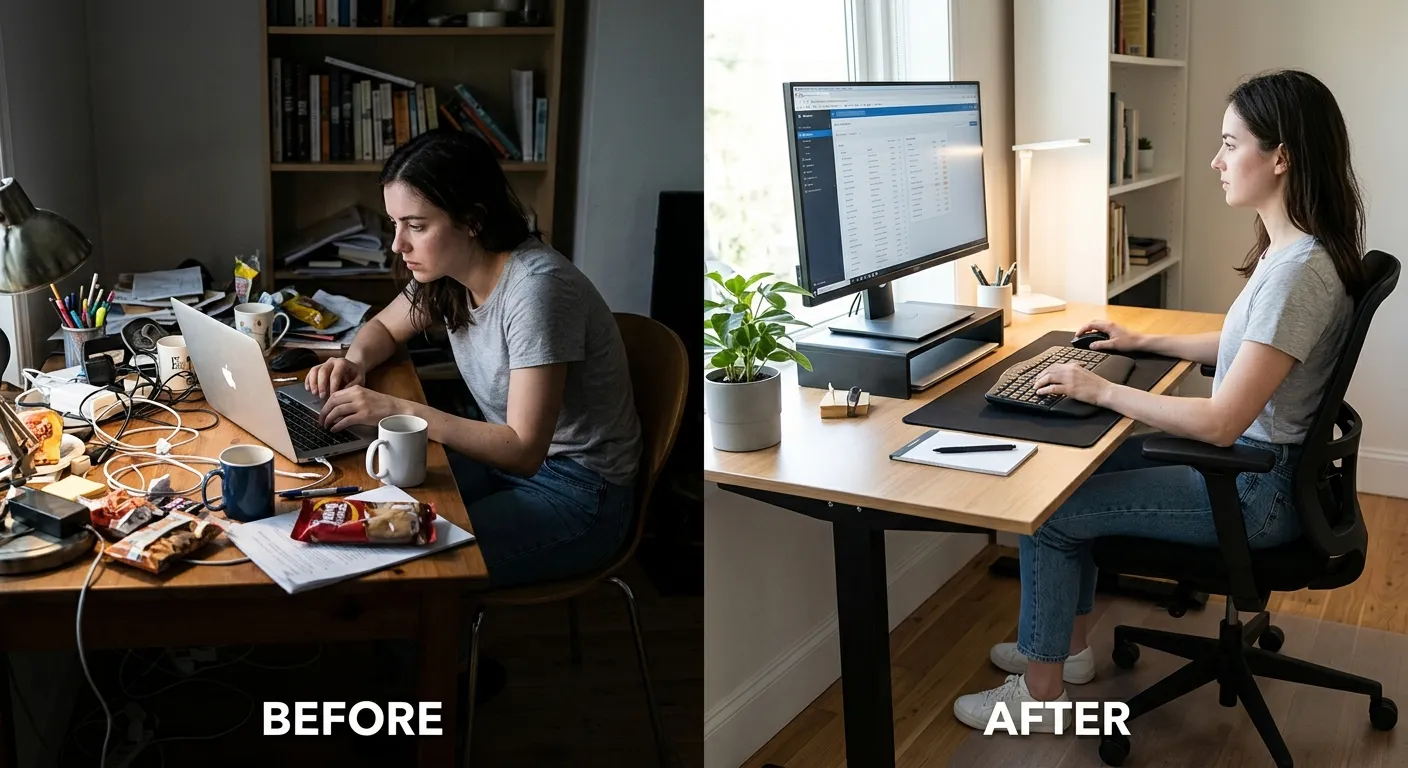
Slouching, hunching over laptops, and craning necks towards monitors place immense strain on the cervical and lumbar spine. Over time, this misalignment weakens core muscles, compresses spinal discs, and leads to chronic pain. This isn't just an office issue; poor posture affects workers in all settings, from warehouse jobs in Forest Hill to administrative roles. The cumulative effect of 8+ hours a day in a suboptimal position is a primary driver of musculoskeletal disorders (MSDs).
💡 Pro-Tip for Employers:
Incorporate posture checks and ergonomic assessments into your onboarding process. When you hire staff, consider their awareness of workplace wellness as a valuable soft skill. Providing simple, illustrated guides on neutral posture can have a significant preventative impact.
The Cost of Cutting Corners on Equipment
Non-adjustable chairs, desks at the wrong height, and poorly positioned monitors are a recipe for disaster. An investment in ergonomic equipment is an investment in employee health and productivity. The right chair supports the natural curve of the spine, while a sit-stand desk promotes movement. This principle applies universally; for instance, an Automotive Employment Agency must ensure technicians have anti-fatigue mats and adjustable workbenches to prevent chronic back issues, just as an office needs proper desks.
The hidden cost of cheap equipment is staggering, leading to increased absenteeism, presenteeism (working while in pain), and higher turnover. A strategic partnership with a temporary staffing agency can also provide access to workers already trained in ergonomic best practices, reducing the initial training burden.
The Dangers of a Static Workday
The human body is designed for movement. Prolonged sitting reduces blood flow, weakens postural muscles, and increases pressure on spinal discs. Even in more active sectors like logistics, periods of sedentary work (e.g., driving, administrative tasks) can contribute to pain. Encouraging micro-movements and regular breaks is crucial. This is a key consideration for recruitment and staffing strategies across all industries—promoting a culture of movement can be a unique selling point for attracting top talent.
The 20-8-2 Rule
For every 30 minutes, aim for: 20 minutes sitting, 8 minutes standing, and 2 minutes moving/stretching.
Walking Meetings
Convert one sit-down meeting per day into a walking meeting to boost circulation and creativity.
The Mind-Body Connection: Stress & Tension
Psychological stress manifests physically as muscle tension, particularly in the neck, shoulders, and lower back. Tight deadlines, high workloads, and job insecurity can lead to a clenched posture and reduced pain tolerance. Managing workplace stress is therefore a critical component of preventing Back Pain In The Office. Flexible work models, like those explored in our resource on why remote working is better, can alleviate commute stress and give employees more control over their environment, indirectly benefiting physical health.
Ensuring you have the right team size to manage workload is key. Understaffing creates immense pressure. Utilizing temporary staffing solutions to handle peak periods can prevent chronic stress and its physical consequences in your permanent team.
Actionable Solutions & Ergonomic Benefits
The Ergonomic Workspace Audit
Conduct a formal assessment of every workstation. Check chair height (feet flat, knees at 90°), monitor position (top at or slightly below eye level), and keyboard placement (elbows at 90°, wrists straight). Document findings and create a phased investment plan for upgrades.
- ✓ Reduces injury risk by up to 60%
- ✓ Demonstrates duty of care, boosting morale
- ✓ Improves focus and task efficiency
Strategic Movement & Culture Change
Foster a culture that prizes movement. Introduce standing meeting areas, subsidise gym memberships, or launch"walk-and-talk" challenges. Lead by example; management participation is crucial. For field-based roles, like those filled by an Automotive Employment Agency, encourage safe lifting techniques and regular stretch breaks during vehicle inspections or repairs.
- ✓ Counters the effects of prolonged sitting
- ✓ Enhances team cohesion and mental well-being
- ✓ Reduces sick days related to MSDs
Smart Hiring & Workforce Planning
Prevent back pain by building a resilient team. Use precise candidate screening to identify individuals with ergonomic awareness or physical fitness for demanding roles. Partner with specialized agencies (e.g., for warehouse jobs in Leicester) to access pre-vetted talent, ensuring you don't rush hires who may be unfit for the role's physical demands, a common cause of injury.
- ✓ Right person for the right job reduces injury risk
- ✓ Flexible staffing prevents overloading core team
- ✓ Access to niche expertise in workplace safety
The Financial Imperative: Calculating the Cost of Ignoring Back Pain
Beyond human suffering, unaddressed Back Pain In The Office carries a severe financial burden. Direct costs include sick pay, healthcare claims, and potential litigation. Indirect costs are far greater: lost productivity, reduced quality of work, high turnover, and increased recruitment expenses.
A proactive investment in ergonomics and a wellness-oriented culture delivers a staggering ROI. For example, providing ergonomic assessments and equipment might cost £500 per employee, but preventing just one chronic back injury case can save over £20,000 in associated costs. This proactive approach is as vital as having a robust staffing solutions strategy to manage operational peaks without burning out your team.
"The most expensive worker is not the one with the highest salary, but the one who is present but in pain, operating at 40% capacity. Investing in their physical well-being is a direct investment in your bottom line." – Senior HR Director, Logistics Sector.
Cost-Benefit Analysis Snapshot
- Avg. Cost of Ergonomic Chair & Desk Risers £300 - £800
- Avg. Cost of One Back Injury Claim (UK) £8,000 - £15,000+
- Productivity Loss from Presenteeism (Per Person/Year) £2,000 - £4,000
- Cost to Recruit & Train a Replacement £3,000 - £5,000
Source: HSE UK, CIPD Absence Management Surveys
The Strategic Hiring Link: Building a Resilient Team
Often overlooked, your hiring strategy is a frontline defense against workplace injuries. Watch this insight on fast, reliable staffing to support your core team's well-being.
How to Hire Reliable Staff in 24 Hours – A fast recruitment strategy prevents overburdening your existing team, a key factor in stress-related and repetitive strain injuries. Learn how agile hiring complements your ergonomic initiatives.
Frequently Asked Questions on Office Back Pain & Staffing
Get expert answers to common questions about preventing pain and building a healthy workforce.
Yes, under the UK Health and Safety at Work etc. Act 1974 and the Display Screen Equipment (DSE) Regulations 1992, employers have a legal"duty of care" to assess workstations and reduce risks, including those from poor posture and inadequate equipment. This applies to all staff, including temporary workers sourced through a temp staffing provider. Failure to do so can result in enforcement action and liability for work-related ill health.
It can, but it depends. Remote work eliminates the commute, which is a major source of back stress for many. It also allows individuals to create a personalized, ergonomic setup and take movement breaks more freely. However, without proper guidance, remote workers can develop worse habits. Employers should extend their DSE assessment policies to home workers and provide stipends for equipment. Our guide on finding remote jobs on ZipRecruiter highlights platforms where wellness-conscious roles are advertised.
A specialist agency plays a multifaceted role. First, they can pre-screen candidates for physical suitability and awareness of safe practices, crucial for roles in warehouses or automotive settings. Second, they provide flexible cover to prevent permanent staff from being overworked during peak times, a major cause of injury. Third, a good agency, like those listed among top staffing agencies, often provides basic health and safety training to their temps. This means you're not just filling a gap; you're adding a trained professional who understands the importance of proper posture and lifting techniques.
1. Quick Self-Assessment: Walk the office. Look for obvious issues: chairs at the wrong height, monitors too low, people slouching.
2. Communicate & Educate: Send a simple email with a link to the HSE's free DSE workstation checklist. Encourage everyone to spend 10 minutes adjusting their setup.
3. Plan for Support: If you're understaffed and your team is consistently overworked, act now to explore support. Visit our job posting portal to start the process of bringing in temporary or permanent support to alleviate the pressure that leads to pain and injury.
Build a Stronger, Healthier Team Starting Today
Tackling Back Pain In The Office requires a dual strategy: optimizing your environment and optimizing your team. Don't let preventable pain undermine your productivity and morale.
Whether you need to hire ergonomically-aware permanent staff, secure temporary support to ease the load, or find specialist talent through an Automotive Employment Agency, the solution starts with a single step.
Partner with Staff Direct for recruitment in Birmingham, warehouse agencies in Barking, or specialist support across the UK. Your team's health is your business's wealth.
Beyond the Chair: Holistic Case Studies in Workplace Wellness
The most effective strategies address the entire ecosystem of work. Here are real-world examples of how companies across sectors have successfully reduced back pain and boosted performance through integrated approaches.
Case Study: Logistics Firm Reduces Injury Claims by 45%
A mid-sized logistics provider in the Midlands was facing soaring insurance premiums due to a high rate of lower back injuries among its warehouse operatives and drivers. The issue wasn't just manual handling; administrative staff in the office also reported chronic neck and shoulder pain.
Their Integrated Solution: They initiated a"Whole Workforce Wellness" program. This included:
- • Partnering with a specialist warehouse recruitment agency to implement pre-employment functional movement screens.
- • Mandatory 5-minute"dynamic stretching" sessions at the start of every shift, led by trained team leaders.
- • Redesigning the office layout with collaborative standing desks and creating a"movement zone" with foam rollers and stretch bands.
The Outcome:
Within 18 months, musculoskeletal-related absenteeism dropped by 38%, and the frequency of injury claims was nearly halved. The HR director noted that using temporary staffing solutions for peak periods became more effective, as the temps integrated seamlessly into the established safety culture.
Case Study: Tech Startup Eliminates"Zoom Neck"
A fully remote tech startup noticed a trend in their weekly check-ins: employees were complaining of"Zoom neck" – persistent pain from craning towards laptop cameras for hours each day. This was leading to frequent distractions and friction over camera-off policies.
Their Integrated Solution: They moved beyond just offering a equipment budget. They implemented:
- • A"Remote Ergonomics Kickstart" package: a curated list of recommended webcams, monitor arms, and keyboards, plus a virtual consultation with an ergonomist.
- • Meeting protocol changes: No meeting longer than 45 minutes without a mandated 5-minute"screen-off" stretch break. Encouragement to use external cameras positioned at eye level.
- • They even incorporated wellness as a cultural pillar in their hiring, using candidate screening to identify individuals who proactively manage their home workspace.
The Outcome:
Employee satisfaction scores related to"workplace support" skyrocketed. The company reported a noticeable improvement in meeting engagement and a drop in ad-hoc sick days used for pain management. This proactive stance also became a powerful tool for attracting top remote talent.
The Power of Micro-Habits: Small Changes, Massive Impact
Sweeping overhauls can be daunting. Often, sustainable change is driven by tiny, repeatable habits that compound over time. Here are science-backed micro-habits your team can adopt immediately.
The"Desk Reset" Breath
Every hour, on the hour, take 60 seconds. Inhale deeply for 4 seconds, hold for 4, exhale for 6. This diaphragmatic breathing resets the nervous system, releases torso tension, and refocuses the mind.
Hydration & Movement Link
Place a water bottle on a shelf across the room. The need to refill it forces regular, natural walking breaks. This simple tactic breaks static posture and promotes hydration, keeping spinal discs nourished.
The Phone Posture Pause
Instead of cradling your phone between your ear and shoulder, or looking down at it, use speakerphone or headphones. Hold your device at eye level when reading. This single habit drastically reduces cervical strain.
The Future of Ergonomic Hiring: Data, AI, and Predictive Analytics
The intersection of recruitment technology and workplace wellness is creating powerful new tools to preempt back pain. Forward-thinking companies and agencies are leveraging data to build inherently healthier teams.
How Technology is Transforming Staffing for Wellness
🤖 Predictive Role Matching
Specialist agencies now use platforms that analyze the physical demands of a role (e.g.,"frequent overhead reaching,""prolonged seated precision work") and cross-reference them with a candidate's profile. This goes beyond CV keywords to include assessments of physical work style preferences and past injury data (with consent).
For example, an Automotive Employment Agency might use this to match a technician with a history of lower back issues to a role focusing on diagnostics (more cognitive, less heavy lifting) rather than tyre fitting, ensuring a longer, healthier tenure.
📊 Workforce Analytics Dashboards
Companies are integrating anonymized data from wearable devices (with strict privacy policies) with HR systems. These dashboards can flag teams with high levels of sedentary behavior or stress indicators, prompting pre-emptive interventions like wellness workshops or the introduction of temporary support through a temporary staffing agency to redistribute workload.
🛡️ Gamified Wellness Onboarding
New hires, especially temporary staff, often miss out on deep cultural immersion. Interactive onboarding modules now include gamified ergonomic challenges—like"complete 5 posture checks in your first week" or"take a photo of your optimized workspace." This instantly engages them in the company's wellness culture, reducing the early-career injury risk that can occur when individuals are unfamiliar with best practices.
From Cost Centre to Competitive Advantage: Reframing Wellness
The most progressive business leaders no longer view ergonomics and proactive staffing as mere compliance costs. They are now seen as levers for talent attraction, retention, and peak performance.
In a competitive job market, a demonstrable commitment to employee physical health is a powerful differentiator. It signals a humane, sustainable, and forward-thinking company culture.
This strategic shift means that your choice of recruitment partner matters more than ever. Partnering with an agency that understands this holistic view—one that provides not just a warm body, but a health-conscious professional—is crucial. Whether you need warehouse staff in Leicester or developers in Dublin, the principle is the same.
The ultimate goal is to create a virtuous cycle: a healthy workplace attracts better talent, which drives higher productivity and innovation, which funds further wellness initiatives, making your business not just profitable, but resilient.
Your Next Step Checklist
- 1 Audit Your Current State: Review your last DSE assessment. How many actions are outstanding?
- 2 Analyze Staffing Patterns: Are there predictable peaks where your team is stretched thin? Document these pressure points.
- 3 Initiate One Pilot: Choose one micro-habit or one department for a focused ergonomic intervention. Measure its impact over 90 days.
- 4 Consult a Specialist: Engage a specialist recruitment and staffing partner not just to fill a vacancy, but to discuss how hiring can be part of your long-term wellness strategy.