School Cook Roles in Liverpool | Term-Time Position
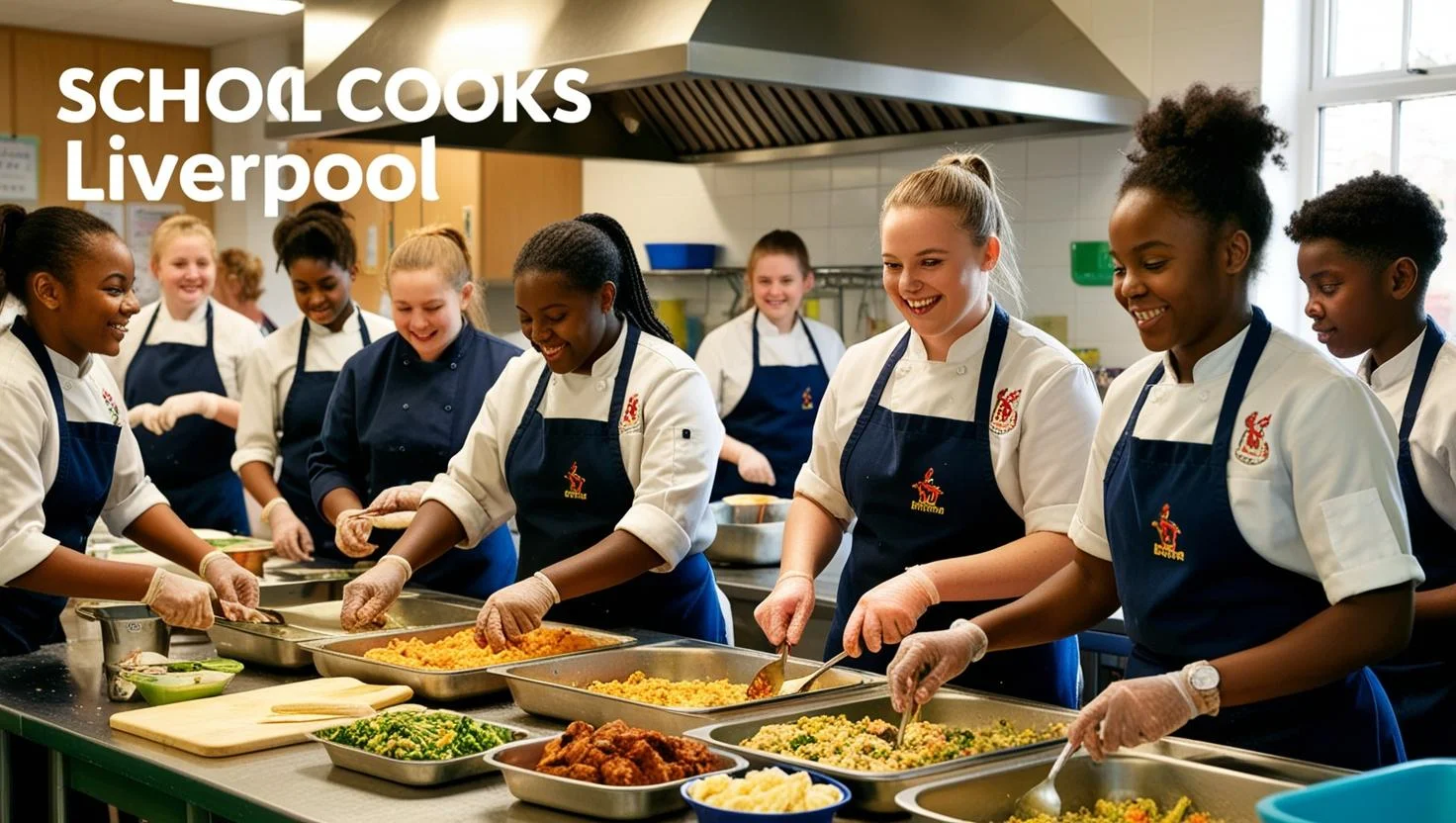
Job Description: School Cook Roles in Liverpool | Term-Time Position
Main Responsibilities:
– Prepare and cook nutritious meals for students and staff in accordance with school menus and dietary requirements
– Ensure food is served at the correct temperature and in a timely manner
– Maintain a clean and hygienic kitchen environment, adhering to food safety regulations
– Manage stock levels and place orders for ingredients and supplies as needed
– Work collaboratively with other kitchen staff to ensure smooth operation of the catering service
– Assist with menu planning and development, considering student preferences and nutritional guidelines
Required Skills & Qualifications:
– Level 2 Food Hygiene Certificate or equivalent
– Excellent knowledge of food safety and hygiene practices
– Ability to work well under pressure and manage time effectively
– Strong communication and teamwork skills
– Creativity and passion for preparing healthy, appealing meals for children
– Physically fit to stand for extended periods and lift heavy items
Experience:
– Minimum 2 years of experience working in a professional kitchen environment
– Experience in school catering or cooking for large numbers is preferred
– Familiarity with dietary requirements and allergen management
Pay Rates:
– Starting salary ranges from £9.50 to £11.00 per hour, depending on experience and qualifications
– Term-time only position, with the potential for additional hours during school holidays
– Opportunities for career progression and professional development within the school catering team
The Vital Role of School Cooks in Liverpool Schools
School cooks play an essential role in the educational system of Liverpool, ensuring that students receive nutritious meals to fuel their learning and growth. These dedicated professionals work tirelessly to prepare and serve breakfast and lunch to hundreds of students each day, often within the constraints of tight budgets and limited resources. In this article, we will explore the responsibilities, challenges, and rewards of being a school cook in Liverpool, with a particular focus on term-time positions.
Responsibilities of a School Cook
The primary responsibility of a school cook is to prepare and serve meals that meet the nutritional requirements set by the government and local education authorities. This involves planning menus, ordering ingredients, and adhering to strict food safety and hygiene regulations. School cooks must also be able to cater to students with special dietary needs, such as allergies, intolerances, or religious restrictions.
In addition to meal preparation, school cooks are responsible for maintaining a clean and organized kitchen environment. This includes washing dishes, sanitizing surfaces, and ensuring that all equipment is properly maintained and in good working order. They must also keep accurate records of food inventory, purchases, and meal counts for reporting purposes.
Challenges Faced by School Cooks
One of the biggest challenges faced by school cooks is working within tight budgetary constraints. With limited funds allocated for school meals, cooks must be creative in their menu planning and ingredient sourcing to provide nutritious and appealing meals at a low cost. This often requires careful consideration of seasonal produce, bulk purchasing, and minimizing food waste.
Another challenge is catering to the diverse tastes and preferences of students. With a wide range of cultural backgrounds and dietary habits, school cooks must strike a balance between offering familiar and comforting foods while also introducing new and healthy options. This can be particularly difficult when dealing with picky eaters or students who are resistant to trying new things.
School cooks also face the challenge of working in a fast-paced and high-pressure environment. With limited time between meals and large numbers of students to serve, cooks must be efficient and organized in their work. This can be physically demanding, requiring long hours on their feet and the ability to lift heavy pots and pans.
Rewards of Being a School Cook
Despite the challenges, being a school cook can be a highly rewarding career. One of the greatest rewards is knowing that you are making a positive impact on the lives of students by providing them with nutritious meals that support their learning and development. Many school cooks develop strong relationships with students and take pride in being a trusted and familiar face in the school community.
School cooks also have the opportunity to be creative and experiment with new recipes and menu ideas. While working within budgetary constraints can be challenging, it can also be a source of inspiration for finding innovative ways to make healthy and delicious meals. Many school cooks enjoy the challenge of adapting recipes to meet the needs and preferences of their students.
Another reward of being a school cook is the sense of teamwork and camaraderie that comes from working in a kitchen environment. School cooks often form close bonds with their colleagues and support each other through the daily challenges of the job. This sense of community can be particularly strong in schools where cooks have worked together for many years.
Term-Time Positions for School Cooks in Liverpool
Many school cook positions in Liverpool are term-time only, meaning that cooks work during the school year but have time off during school holidays. This can be an attractive option for those who value a good work-life balance or have family commitments that make full-year employment difficult.
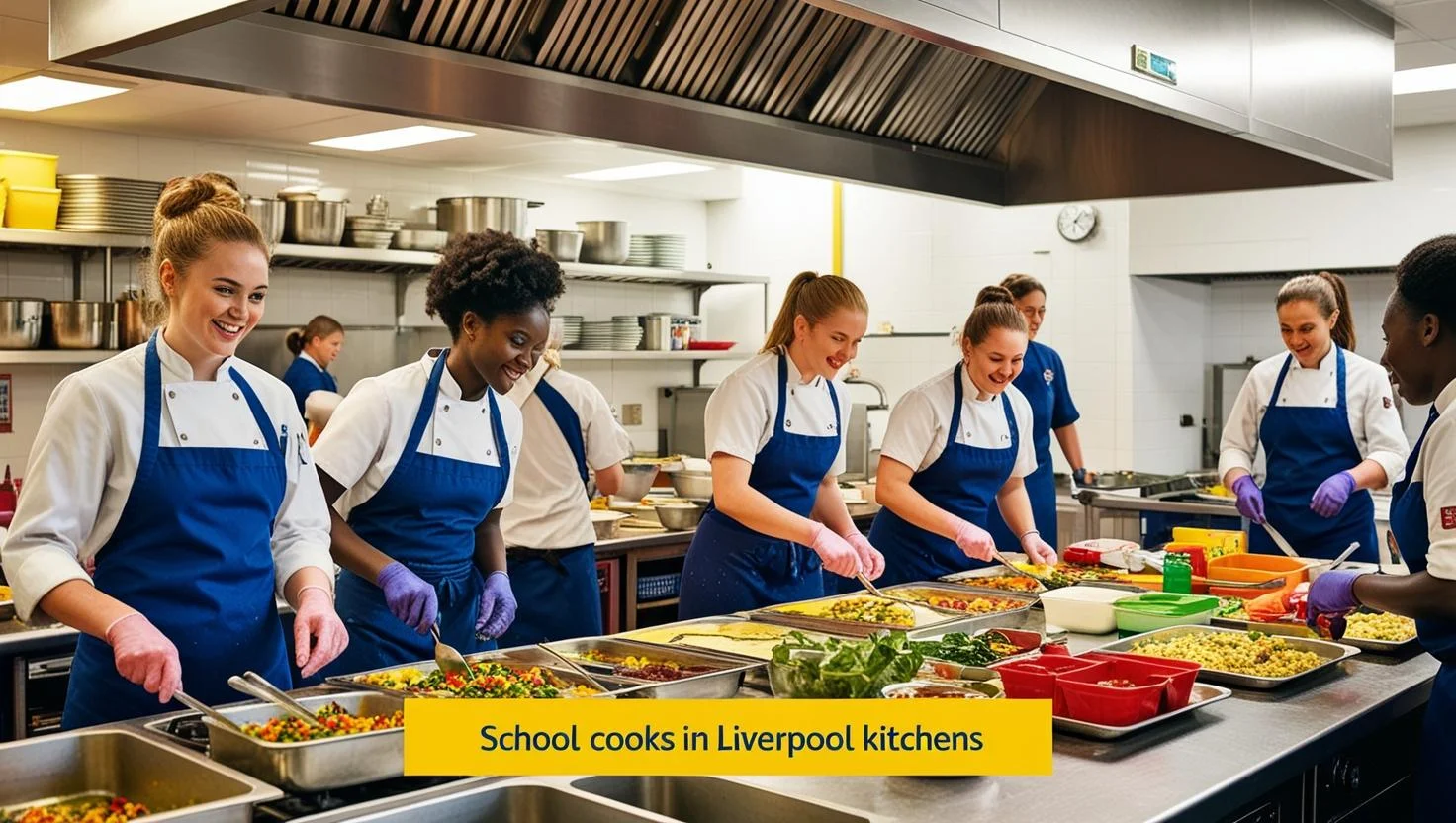
Term-time positions typically offer a set number of hours per week, with the possibility of additional hours for special events or catering needs. Pay rates vary depending on experience and qualifications, but most positions offer competitive salaries and benefits packages.
To qualify for a term-time school cook position in Liverpool, candidates typically need to have relevant experience in a catering or food service environment, as well as a food hygiene certificate. Some positions may also require specific qualifications, such as an NVQ in catering or a diploma in professional cookery.
Training and Development Opportunities
Many schools in Liverpool offer training and development opportunities for their school cooks to help them advance their careers and stay up-to-date with the latest trends and best practices in school catering. This can include in-house training sessions, external workshops and conferences, and even the opportunity to pursue further qualifications.
Some schools also offer mentorship programs, where experienced cooks can share their knowledge and skills with newer staff members. This can be a valuable way for school cooks to learn from their colleagues and develop their own leadership and management skills.
The Future of School Catering in Liverpool
As the focus on healthy eating and nutrition in schools continues to grow, the role of school cooks in Liverpool is likely to become even more important in the years to come. With the government setting ambitious targets for reducing childhood obesity and improving the quality of school meals, school cooks will be at the forefront of efforts to promote healthy eating habits and provide students with the nutrition they need to thrive.
This may require school cooks to adapt to new guidelines and regulations, as well as changing student preferences and dietary needs. However, with the right training and support, school cooks in Liverpool will be well-equipped to meet these challenges and continue to make a positive impact on the lives of students.
Conclusion
School cooks in Liverpool play a vital role in ensuring that students receive the nutrition they need to learn and grow. While the job can be challenging, with tight budgets, diverse student needs, and a fast-paced work environment, it is also deeply rewarding. Term-time positions offer a good work-life balance for those with family commitments, and there are many opportunities for training and development within the field.
As the importance of healthy eating in schools continues to be recognized, the role of school cooks in Liverpool is likely to become even more crucial in the years to come. By providing nutritious and appealing meals, school cooks are not only supporting student learning and development but also helping to promote lifelong healthy eating habits. It is a challenging but incredibly important job, and one that deserves recognition and support from the wider community.
FAQs – School Cook Roles in Liverpool | Term-Time Position
1. What are the typical responsibilities of a School Cook in Liverpool?
School Cooks in Liverpool are responsible for preparing and cooking nutritious meals for students, adhering to dietary requirements and food safety regulations. They also manage kitchen staff, order ingredients, and maintain a clean and hygienic kitchen environment.
2. What qualifications are required to become a School Cook in Liverpool?
While no formal qualifications are necessary, having a Food Hygiene Certificate and experience in catering or cooking in a school setting is highly advantageous. Candidates should possess strong culinary skills, the ability to work in a fast-paced environment, and a passion for providing healthy meals to children.
3. Is the School Cook role a term-time position?
Yes, School Cook roles in Liverpool are typically term-time positions, meaning you will work during the school academic year and have holidays off when the school is closed.
4. What are the working hours for a School Cook in Liverpool?
Working hours for School Cooks in Liverpool are usually during school hours, which may vary depending on the school. Typically, you can expect to work from early morning to early afternoon, Monday to Friday, during term time.
5. What kind of support and training is provided for School Cooks in Liverpool?
Schools in Liverpool often provide on-the-job training for School Cooks, which may include food safety, menu planning, and kitchen management. You will work alongside experienced staff members who can offer guidance and support. Additionally, there may be opportunities for professional development and training courses to enhance your skills in the role.